Barbell Behind The Back Shrug
The barbell behind the back shrug is a strength exercise that targets the upper and middle trapezius muscles by elevating the shoulders with the load positioned behind the glutes. This variation promotes better posture by encouraging scapular retraction and reducing the tendency to round the shoulders forward.

Iridium analyzes your 7-day workout history to ensure your grip strength and upper back recovery status can support this movement following any recent heavy compound pulling. The AI tracks this specific variation to ensure volume targets for the upper and middle trapezius are met without exceeding your Maximum Recoverable Volume. If high variety is selected, Iridium cycles this exercise into your plan to alter the recruitment angle compared to standard anterior barbell shrugs.
Form Cues
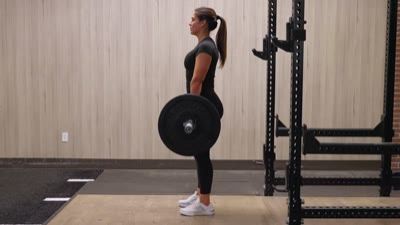
- Stand tall with your chest up and feet shoulder-width apart.
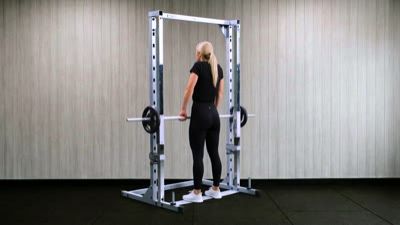
- Hold the barbell behind your glutes with an overhand grip.
- Squeeze your shoulder blades slightly together before lifting.
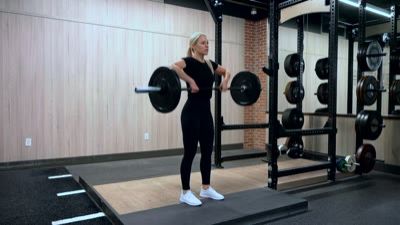
- Drive your shoulders straight up toward your ears.
- Pause at the top for a distinct contraction before lowering slowly.
- Don't jut your head forward as you lift.
- Don't bend your elbows to curl the weight up.
- Don't roll your shoulders forward or backward.
- Don't bounce the barbell off your glutes to generate momentum.
- Don't let your lower back hyperextend.
Common Mistakes
- Rolling the shoulders
- Jutting the chin forward
- Bending the elbows
- Using excessive momentum
- Bouncing the bar off the glutes
Muscles Worked
This exercise primarily builds mass and strength in the upper trapezius while significantly engaging the middle trapezius due to the rear arm position. The unique angle forces a degree of scapular retraction, helping to pull the shoulders back for better posture, while the forearms work isometrically to maintain your grip on the barbell.
Primary
Secondary


Get Personalized Coaching for Barbell Behind The Back Shrug
Don't guess your way through weights or workouts. Download Iridium for automatic, AI-powered coaching that adapts to your recovery and goals.