Step-Up Deadlift (Rack Pull)
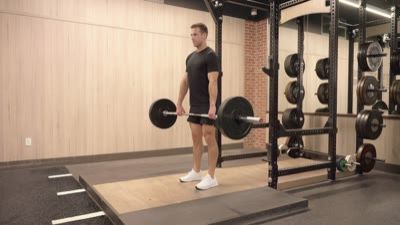
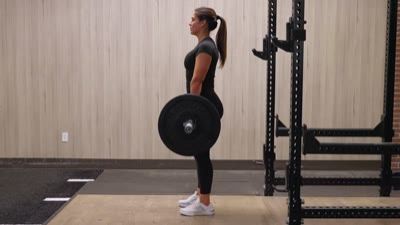
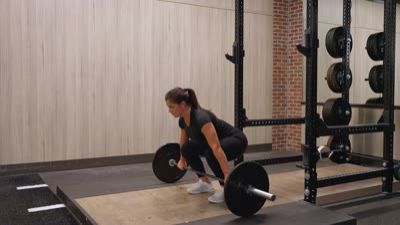
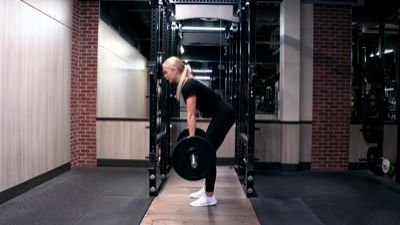
The Step-Up Deadlift, commonly known as the Rack Pull, is a partial range-of-motion deadlift performed from elevated pins or blocks. It allows you to overload the posterior chain, specifically targeting upper back thickness, trap development, and lockout strength.
Rack Pulls generate high systemic fatigue due to heavy loading, so Iridium validates your recovery score using sleep data and recent metabolic estimates before scheduling them. The algorithm also scans your 7-day training history to strictly manage erector spinae volume, ensuring you don't exceed your Maximum Recoverable Volume following other heavy hinge exercises.
Form Cues
- Position the bar against your shins at the start
- Pull the 'slack' out of the bar before lifting
- Drive your hips forcibly forward to lock out
- Keep your chest tall and shoulders retracted
- Brace your core tightly like you're about to be punched
- Don't let your lower back round at any point
- Don't hyperextend or lean back excessively at the top
- Don't jerk the bar off the rack
- Don't let the bar drift away from your thighs
- Don't shrug your shoulders up to your ears
Common Mistakes
- Bouncing the weight off the rack between reps
- Starting with hips too high (stiff-legged)
- Bending the arms or using biceps to pull
- Soft knees at lockout
- Looking up at the ceiling and craning the neck
Muscles Worked
This exercise is a powerhouse for the entire posterior chain, placing primary stress on the erector spinae to maintain spinal rigidity. It provides intense stimulation for the upper and middle trapezius, rhomboids, and lats due to the heavy static hold, while the glutes and hamstrings work hard to extend the hips.
Primary
Secondary

Get Personalized Coaching for Step-Up Deadlift (Rack Pull)
Don't guess your way through weights or workouts. Download Iridium for automatic, AI-powered coaching that adapts to your recovery and goals.