Isometric Bicep Hold
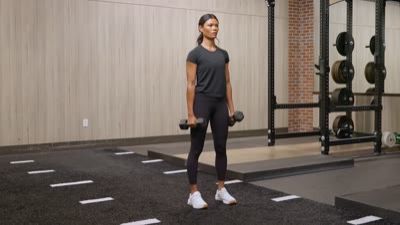
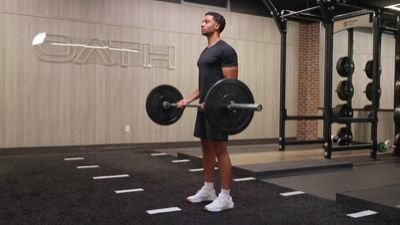
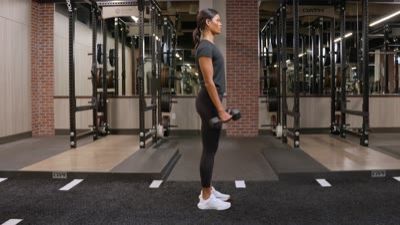
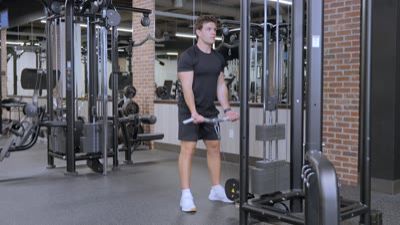
The Isometric Bicep Hold is a static strength exercise where you hold a weight with your elbows bent at 90 degrees to maintain continuous tension on the biceps. This accessory movement builds tendon strength and improves muscle endurance without joint movement.

Iridium tracks volume for this static movement by measuring time under tension and load instead of standard repetitions. The AI monitors your RPE and hold duration trends to detect progressive overload, suggesting weight increases only when your history indicates you can handle the intensity. To prevent overuse, Iridium cross-references this workload against your bicep and forearm fatigue scores from recent pulling exercises.
Form Cues
- Pin your elbows firmly against your ribcage throughout the entire hold.
- Keep your forearms parallel to the floor, creating a 90-degree angle at the elbow.
- Squeeze the dumbbell or bar as hard as you can to activate maximum muscle fibers.
- Brace your core and glutes to prevent your torso from swaying backward.
- Maintain neutral wrists by keeping your knuckles aligned with your forearms.
- Don't let your elbows flare out to the sides away from your body.
- Don't lean your upper body backward to counterbalance the weight.
- Don't let your wrists curl inward or drop downward.
- Don't hold your breath; maintain controlled breathing while keeping tension.
- Don't allow the weight to slowly drop below the 90-degree parallel point.
Common Mistakes
- Leaning back to compensate for heavy weight
- Allowing elbows to drift forward or backward
- Breaking the 90-degree angle
- Relaxing the grip instead of crushing the handle
- Shrugging shoulders up toward the ears
Muscles Worked
This exercise primarily targets the biceps brachii by forcing them to contract maximally against resistance without changing length, which is excellent for overcoming sticking points. It also places significant demand on the brachioradialis and forearm flexors to maintain a rigid wrist and strong grip throughout the duration of the hold.
Primary
Secondary
Get Personalized Coaching for Isometric Bicep Hold
Don't guess your way through weights or workouts. Download Iridium for automatic, AI-powered coaching that adapts to your recovery and goals.