Clean Pull
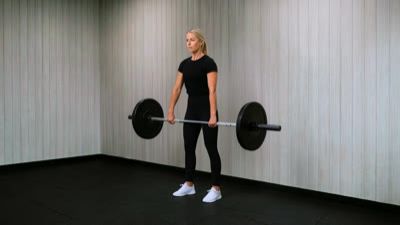
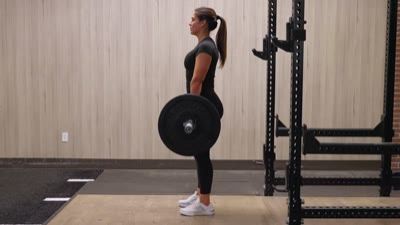
The Clean Pull is an explosive strength exercise that isolates the pulling phase of the clean without the catch. It targets the posterior chain, traps, and quads to develop power production and improve Olympic lifting technique.

Since Clean Pulls require high-velocity power output, Iridium analyzes your sleep data and metabolic recovery scores to verify your recovery state supports explosive effort. The system also tracks accumulated fatigue in your erector spinae and upper traps from the past 7 days to ensure this accessory work drives progress without compromising recovery for your primary heavy deadlifts.
Form Cues
- Start with hips low, chest up, and back flat
- Drive through your full foot to extend hips and knees explosively
- Keep the barbell close to your body throughout the pull
- Shrug your shoulders forcefully at the peak of extension
- Extend onto your toes to achieve full triple extension
- Don't bend your elbows early to pull the bar up
- Don't let your back round or shoulders roll forward
- Don't let the bar drift away from your thighs
- Don't lean back excessively at the top of the movement
- Don't attempt to catch the bar; simply control the descent
Common Mistakes
- Pulling with arms instead of hips
- Rounding the lumbar spine
- Bar path drifting forward
- Incomplete hip extension
- Lack of explosive intent
Muscles Worked
This exercise is a powerhouse for the posterior chain, heavily recruiting the glutes, hamstrings, and erector spinae to generate upward force. The quadriceps are essential for the initial leg drive off the floor, while the upper trapezius works intensely during the final explosive shrug phase.
Primary
Secondary


Get Personalized Coaching for Clean Pull
Don't guess your way through weights or workouts. Download Iridium for automatic, AI-powered coaching that adapts to your recovery and goals.