Dumbbell Thruster
A high-intensity compound exercise that combines a front squat with an overhead press to build explosive power and full-body conditioning. This movement targets the legs, glutes, and shoulders while demanding significant core stability.
Since Dumbbell Thrusters combine a full squat and press, Iridium attributes volume load to both the Quadriceps and Anterior Deltoid groups to ensure you stay within your Maximum Recoverable Volume for both. The AI references your 7-day workout history and current per-muscle recovery status to verify that neither body part is pre-fatigued before assigning this compound movement. If your systemic fatigue score is high from recent sessions, Iridium may substitute less demanding isolation work to prevent overtraining.
Form Cues
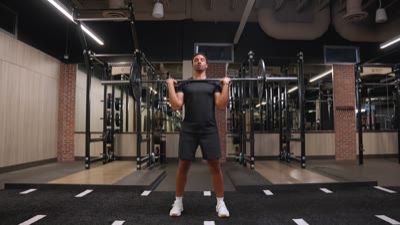
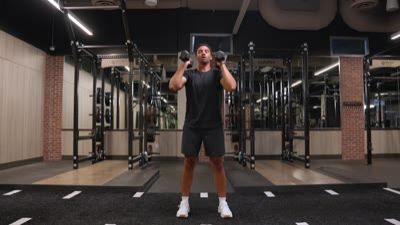
- Hold dumbbells at shoulder height with palms facing in
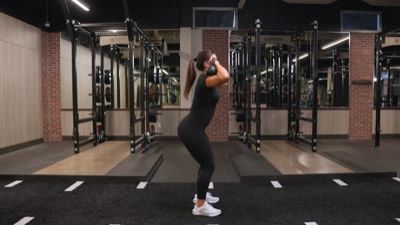
- Squat down until your thighs are parallel to the floor
- Drive explosively through your heels to stand up
- Use the momentum from your legs to press weights overhead
- Lock out arms fully at the top with biceps by ears
- Don't press the weights up before your hips extend
- Don't let your chest collapse forward during the squat
- Don't arch your lower back excessively at the top
- Don't let your heels lift off the ground
- Don't pause between the squat and the press
Common Mistakes
- Pressing too early
- Squatting too shallow
- Rounding the lower back
- Using only arms to press
- Holding breath throughout the set
Muscles Worked
This exercise is a true full-body builder that relies on the quadriceps and glutes to generate vertical force out of the squat. That momentum is transferred through a rigid core to the anterior deltoids and triceps, allowing you to press heavier loads overhead than you could with a strict press.
Primary
Secondary

Get Personalized Coaching for Dumbbell Thruster
Don't guess your way through weights or workouts. Download Iridium for automatic, AI-powered coaching that adapts to your recovery and goals.