Kettlebell Suitcase Deadlift
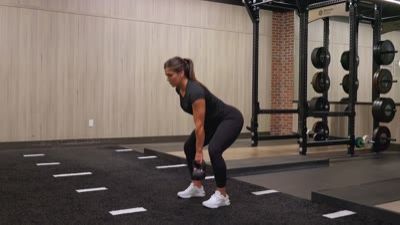
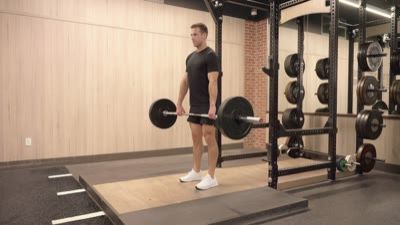
The Kettlebell Suitcase Deadlift is a functional strength exercise where you lift a weight positioned at your side, targeting the glutes and hamstrings while challenging core stability. By resisting the urge to lean sideways, this movement strengthens the obliques and improves hip hinge mechanics.
Iridium accounts for the unique stability demands of this lift by allocating volume toward both your hamstring and oblique landmarks. Because the offset weight relies heavily on grip strength, the AI checks the recovery status of your forearms against your 7-day history to ensure holding the kettlebell doesn't become the limiting factor before your posterior chain is fatigued.
Form Cues
- Stand with feet hip-width apart
- Hinge your hips back to lower yourself
- Keep your shoulders level and square
- Brace your core as if preparing for a punch
- Drive through your heels to stand tall
- Don't let your torso lean toward the weight
- Don't round your lower back
- Don't squat down with your knees forward
- Don't shrug your shoulder at the top
Common Mistakes
- Leaning sideways toward the kettlebell
- Turning the movement into a squat
- Rounding the spine during the lift
- Allowing the shoulders to twist
Muscles Worked
This exercise primarily targets the posterior chain, specifically the glutes and hamstrings, through the hip hinge pattern. Uniquely, it heavily engages the obliques and quadratus lumborum to resist the lateral pull of the weight, effectively turning a lower-body lift into a powerful core stability challenge.
Primary
Secondary


Get Personalized Coaching for Kettlebell Suitcase Deadlift
Don't guess your way through weights or workouts. Download Iridium for automatic, AI-powered coaching that adapts to your recovery and goals.