Duck Walk
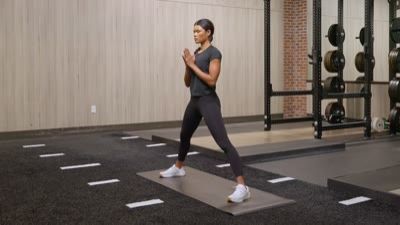
The Duck Walk is a dynamic bodyweight mobility exercise that challenges your stability by having you walk while maintaining a deep squat position. It targets the quadriceps, glutes, and hip flexors while significantly improving ankle and hip flexibility.

Duck walks require sustained tension in a deep squat position, so Iridium reviews your per-muscle recovery status to ensure your quads and hips are not already fatigued from recent heavy lifting. Because this is a time-based exercise, the system tracks your RPE and duration relative to your body weight to ensure consistent progressive overload.
Form Cues
- Keep your chest lifted and spine tall
- Stay as low as possible with hips below knees
- Maintain weight evenly distributed through your feet
- Take small, controlled steps forward
- Engage your core to prevent leaning forward
- Don't let your hips rise up between steps
- Don't allow your knees to collapse inward
- Don't round your upper back or slouch
- Don't rush the steps or bounce excessively
- Don't lift your heels excessively high if mobility allows flatness
Common Mistakes
- Rising out of the squat
- Rounding the thoracic spine
- Knee valgus (caving inward)
- Leaning too far forward
- Taking steps that are too large
Muscles Worked
This exercise primarily torches the quadriceps and glutes by maintaining constant tension in a deep squat position without a rest phase. It also heavily recruits the hip flexors to lift the legs for each step, while the core stabilizers work overtime to keep your torso upright against gravity.
Primary
Secondary
Get Personalized Coaching for Duck Walk
Don't guess your way through weights or workouts. Download Iridium for automatic, AI-powered coaching that adapts to your recovery and goals.