Jump Squat
The Jump Squat is an explosive plyometric exercise that builds lower body power by adding a vertical jump to the traditional squat movement. It primarily targets the quadriceps, glutes, and hamstrings while elevating your heart rate for conditioning.

Since plyometrics require high central nervous system output, Iridium analyzes your sleep data and metabolic recovery estimates to ensure you are fresh before prescribing Jump Squats. The algorithm counts this work towards your quad and glute totals but limits sets strictly based on your Maximum Recoverable Volume (MRV) to prevent systemic burnout. If you are tracking body weight, Iridium also contextualizes your rep performance against weight fluctuations to ensure accurate progressive overload detection.
Form Cues
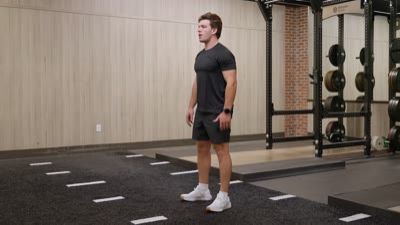
- Stand with feet shoulder-width apart and toes slightly out
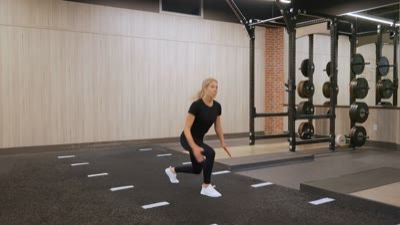
- Squat down keeping your chest up and back straight
- Explode vertically extending hips, knees, and ankles
- Land softly on the balls of your feet first
- Immediately absorb the impact by sinking into the next squat
- Don't land with stiff, straight legs
- Don't let your knees collapse inward
- Don't hunch your shoulders or round your back
- Don't slam your feet into the ground loudly
Common Mistakes
- Landing with a loud, heavy thud
- Knee valgus (knees caving in)
- Not achieving full hip extension in the air
- Stopping momentum between repetitions
Muscles Worked
This exercise is a powerhouse for the quadriceps and glutes, requiring them to generate maximum force to propel you upward. The hamstrings and calves assist in the triple extension mechanism, while your core muscles work overtime to stabilize your spine during the dynamic landing and takeoff phases.
Primary
Secondary


Get Personalized Coaching for Jump Squat
Don't guess your way through weights or workouts. Download Iridium for automatic, AI-powered coaching that adapts to your recovery and goals.