Lunge to Hamstring Stretch
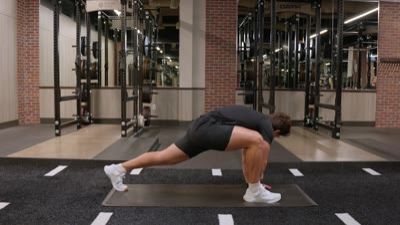
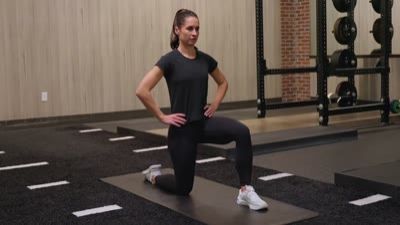
The Lunge to Hamstring Stretch is a dynamic mobility sequence that transitions between a low lunge and a front-leg hamstring stretch. This bodyweight exercise effectively targets the hip flexors, hamstrings, and glutes to improve lower body flexibility and range of motion.

Iridium programs this dynamic sequence when your warmup preference is set to active routines and the daily plan involves heavy lower-body compound movements. The AI adjusts the duration to fit your time constraints, ensuring you can complete this preparation without sacrificing the volume allocated for your main lifts. This placement specifically targets hip flexor and hamstring readiness based on the movement patterns scheduled for the day.
Form Cues
- Step forward into a lunge with your chest lifted
- Drive your hips forward to stretch the rear hip flexor
- Shift your hips back while straightening the front leg
- Flex your front toes toward your shin during the hamstring stretch
- Maintain a flat back as you hinge forward at the hips
- Don't round your lower back when reaching for your foot
- Don't lock out or hyperextend your front knee
- Don't let your front knee collapse inward during the lunge
- Don't bounce aggressively between the two positions
Common Mistakes
- Rounding the spine
- Rushing the transition
- Hyperextending the front knee
- Holding breath during the stretch
- Placing feet on a tightrope (poor balance)
Muscles Worked
This sequence is a dual-purpose mobility drill that primarily targets the hip flexors during the lunge phase and the hamstrings as you shift your weight backward. Secondary engagement occurs in the glutes and quadriceps to maintain balance, while the movement also helps mobilize the ankles and lower back.
Primary
Secondary


Get Personalized Coaching for Lunge to Hamstring Stretch
Don't guess your way through weights or workouts. Download Iridium for automatic, AI-powered coaching that adapts to your recovery and goals.