Front Rack Stretch
The Front Rack Stretch is a targeted mobility exercise designed to improve flexibility in the triceps, forearms, and shoulders. It is essential for achieving a comfortable and stable rack position for lifts like front squats, cleans, and overhead presses.

Iridium selects this drill based on your warmup preference integration, inserting it before sessions that involve heavy front rack demands like front squats or cleans. Since this is non-fatiguing mobility work, the system excludes it from your Minimum Effective Volume and fatigue calculations to prevent skewing your recovery data. If your workout is time-constrained, Iridium automatically scales the duration to preserve time for your primary lifts.
Form Cues
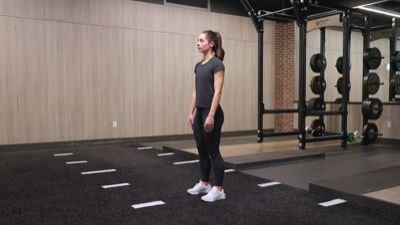
- Keep your chest lifted and spine tall throughout the hold
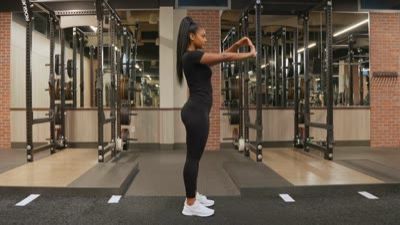
- Drive your bent elbow upward toward the ceiling
- Apply gentle, consistent pressure with your free hand
- Breathe deeply and slowly to encourage muscle relaxation
- Keep your gaze forward and neck neutral
- Don't arch your lower back to fake better range of motion
- Don't let your elbow drop below shoulder height
- Don't force the stretch into a painful range
- Don't bounce or jerk the arm while holding
- Don't hold your breath
Common Mistakes
- Hyperextending the lumbar spine
- Dropping the elbow too low
- Tensing the neck and traps
- Applying too much pressure too fast
- Rotating the torso to compensate
Muscles Worked
This stretch primarily targets the forearms and the long head of the triceps, which are often tight restrictions in the front rack position. It also secondarily lengthens the anterior deltoids and lats, creating the necessary clearance for high elbows during olympic lifting movements.
Primary
Secondary
Get Personalized Coaching for Front Rack Stretch
Don't guess your way through weights or workouts. Download Iridium for automatic, AI-powered coaching that adapts to your recovery and goals.