Piriformis Stretch
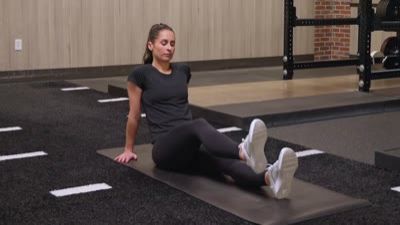
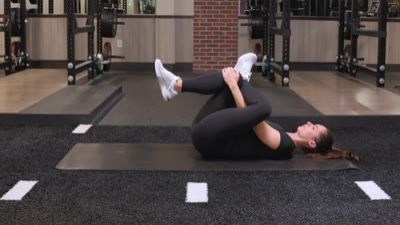
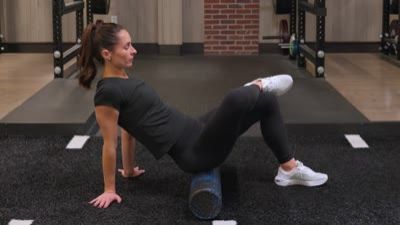
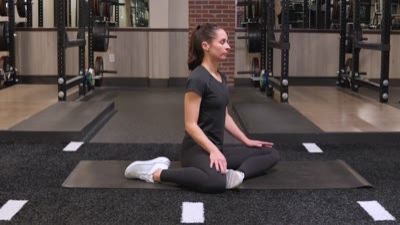
The Piriformis Stretch is a vital mobility exercise designed to release tension in the deep gluteal muscles and improve hip rotation. By crossing one leg over the other, it targets the specific muscle often responsible for sciatic nerve compression and general hip tightness.
Iridium explicitly excludes this static mobility exercise from your glute volume landmarks and fatigue scoring due to its minimal hypertrophic stimulus. Rather than applying standard progressive overload logic, the AI programs this movement strictly based on your selected warmup preferences and specific time constraints.
Form Cues
- Sit tall with your chest lifted and spine neutral
- Flex the foot of the crossed leg to protect your knee
- Gently pull the crossed knee toward your opposite shoulder
- Breathe deeply into the tightest part of the hip
- Hinge slightly from the hips to deepen the stretch if needed
- Don't round your lower back to get deeper
- Don't let your sit bones lift off the floor
- Don't force the knee if you feel sharp pain
- Don't hold your breath while stretching
- Don't hunch your shoulders up toward your ears
Common Mistakes
- Rounding the lumbar spine
- Forcing the stretch aggressively
- Lifting the hips off the ground
- Relaxing the foot of the crossed leg
- Twisting the torso instead of the hip
Muscles Worked
This exercise primarily targets the piriformis, a small muscle deep within the glutes responsible for external hip rotation. It also provides a secondary stretch to the gluteus maximus and the surrounding hip rotator cuff, which is essential for alleviating lower back tension.
Primary
Secondary
Get Personalized Coaching for Piriformis Stretch
Don't guess your way through weights or workouts. Download Iridium for automatic, AI-powered coaching that adapts to your recovery and goals.