Seated Forward Bend
The Seated Forward Bend is a fundamental mobility exercise that deeply stretches the entire posterior chain, specifically targeting the hamstrings and lower back. By performing a controlled hip hinge from a seated position, this movement improves flexibility and promotes spinal decompression.

Iridium analyzes your 7-day workout history to identify accumulated volume in the hamstrings and lower back before scheduling this mobility movement. The system treats this as a time-based recovery exercise, adjusting the duration to fit your stated time constraints while using RPE to track the intensity of the stretch. This approach ensures you address posterior chain tightness without impacting the recovery scores needed for your upcoming strength work.
Form Cues
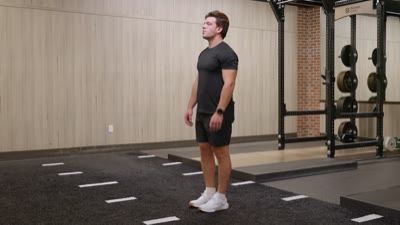
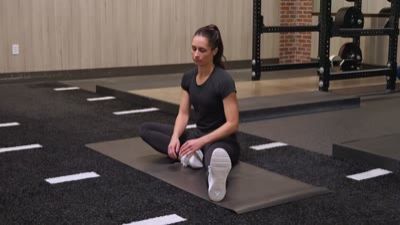
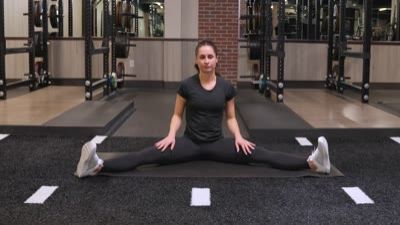
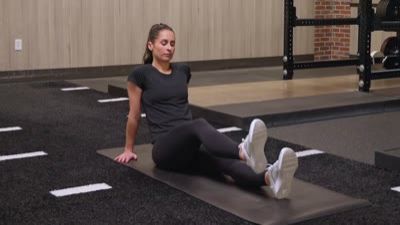
- Sit tall on your sit bones with legs extended
- Hinge from your hips before reaching forward
- Keep your spine long and chest open
- Flex your feet towards your shins
- Exhale deeply as you deepen the fold
- Don't round your upper back just to reach your toes
- Don't lock your knees if your hamstrings are tight
- Don't shrug your shoulders up towards your ears
- Don't bounce or use momentum to go deeper
Common Mistakes
- Rounding the spine excessively
- Forcing the head to the knees
- Holding breath during the stretch
- Tensing the shoulders and neck
Muscles Worked
This exercise primarily lengthens the hamstrings, helping to alleviate tightness that often contributes to lower back pain. Secondarily, it stretches the erector spinae along the spine and the calves, providing a comprehensive release for the entire posterior chain.
Primary
Secondary
Get Personalized Coaching for Seated Forward Bend
Don't guess your way through weights or workouts. Download Iridium for automatic, AI-powered coaching that adapts to your recovery and goals.