Thoracic Extensions
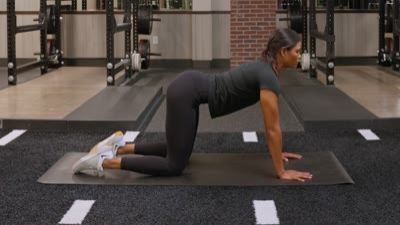
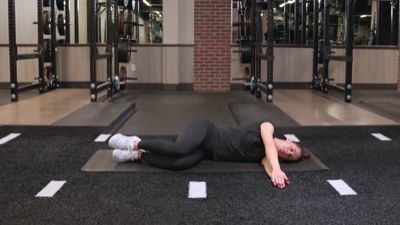
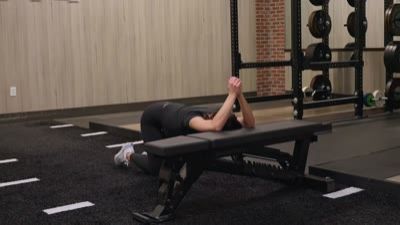
Thoracic extensions are a restorative mobility exercise performed on a foam roller to improve spinal flexibility and reverse poor posture. This movement targets the upper back (thoracic spine) to relieve stiffness and improve overhead range of motion.

Iridium identifies this foam rolling drill as mobility work and specifically excludes it from your weekly hypertrophy volume calculations to ensure your Minimum Effective Volume and Maximum Recoverable Volume data remain accurate. The AI schedules this movement primarily during warmup sequences if your preferences include dynamic routines, often placing it before heavy pressing or squatting to improve positioning. If you have strict time constraints, Iridium automatically adjusts the duration of this preparation block to preserve time for your main lifts.
Form Cues
- Keep your hips glued to the floor at all times
- Support your head gently with your hands
- Inhale deeply as you arch back over the roller
- Focus the movement specifically on your upper back
- Move the roller up or down an inch to find tight spots
- Don't lift your hips off the ground to extend further
- Don't flare your ribs excessively by arching your lower back
- Don't pull your neck forward with your hands
- Don't hold your breath while extending
- Don't roll directly onto your lower back or neck
Common Mistakes
- Arching the lower back (lumbar spine)
- Lifting hips off the floor
- Pulling on the neck
- Rushing through the movement
- Holding breath during extension
Muscles Worked
This exercise primarily targets the thoracic erector spinae and the intercostal muscles, helping to extend a spine that is often stuck in flexion from sitting. It also provides a secondary passive stretch to the pectorals and anterior abdominal wall, helping to open up the chest cavity for better breathing mechanics.
Primary
Secondary

Get Personalized Coaching for Thoracic Extensions
Don't guess your way through weights or workouts. Download Iridium for automatic, AI-powered coaching that adapts to your recovery and goals.