Front Plate Raise
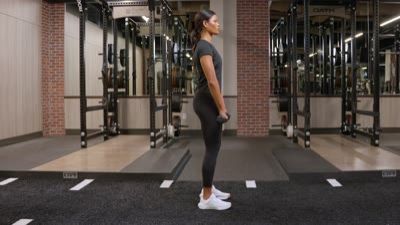
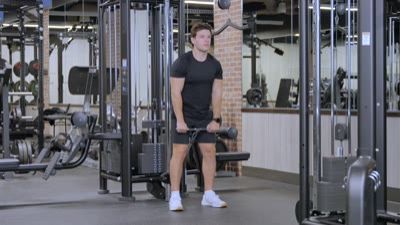
A shoulder isolation exercise where you lift a weight plate from your thighs to shoulder height with extended arms. This movement primarily targets the anterior deltoids while engaging your core and grip strength for stability.
Iridium treats this as a targeted accessory and checks your cumulative anterior deltoid volume from recent compound pressing to avoid exceeding your Maximum Recoverable Volume. The system analyzes your 7-day history to confirm that your front delts have the capacity for isolation work without compromising recovery for primary lifts like the bench press.
Form Cues
- Stand with feet shoulder-width apart and knees slightly bent
- Hold the plate on the sides (3 and 9 o'clock) with a neutral grip
- Brace your core and squeeze your glutes before lifting
- Lift the plate to shoulder height with a controlled tempo
- Lower the weight slowly to the starting position
- Don't swing your hips to generate momentum
- Don't lean backward as you lift the weight
- Don't shrug your shoulders up toward your ears
- Don't lift the plate significantly higher than eye level
- Don't lock your elbows completely; keep a soft bend
Common Mistakes
- Using excessive momentum
- Leaning back to counterbalance
- Shrugging the traps
- Bending elbows too much
- Descending too quickly
Muscles Worked
The Front Plate Raise isolates the anterior deltoid by forcing it to flex the shoulder joint against gravity. Holding a plate with a neutral grip (palms facing each other) also recruits the forearm muscles, while the standing position forces the core to stabilize against the changing center of gravity.
Primary
Secondary


Get Personalized Coaching for Front Plate Raise
Don't guess your way through weights or workouts. Download Iridium for automatic, AI-powered coaching that adapts to your recovery and goals.