Posterior Isometric Neck
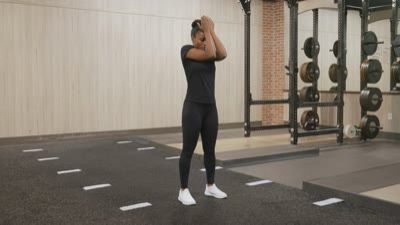
A static strengthening exercise designed to improve neck stability and correct forward head posture by engaging the upper trapezius and deep cervical extensors. You simply press your head backward into your hands against resistance without creating actual movement.

Since standard 1RM formulas do not apply to isometric holds, Iridium governs progression here by analyzing trends in hold duration and reported RPE. The AI counts this work toward your Upper Trapezius volume limits but weighs it as a low-fatigue mobility drill, ensuring it supplements your training without interfering with recovery from heavy pulling exercises.
Form Cues
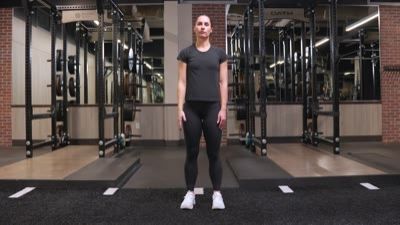
- Sit or stand with a tall, neutral spine
- Tuck your chin slightly to create a 'double chin'
- Press the back of your head gently into your hands
- Keep your eyes looking straight ahead
- Breathe deeply and evenly throughout the hold
- Don't tilt your chin up towards the ceiling
- Don't shrug your shoulders up towards your ears
- Don't let your head push your hands backward
- Don't hold your breath
Common Mistakes
- Extending the neck to look up
- Shrugging shoulders aggressively
- Applying maximal force immediately
- Holding breath during exertion
- Jutting the chin forward
Muscles Worked
This exercise primarily targets the upper trapezius and the deep cervical extensors located at the back of the neck. Strengthening these muscles provides essential support for the cervical spine and helps counteract the forward head posture commonly associated with prolonged screen time.
Primary

Get Personalized Coaching for Posterior Isometric Neck
Don't guess your way through weights or workouts. Download Iridium for automatic, AI-powered coaching that adapts to your recovery and goals.