Gym Anxiety: A Practical Guide to Overcoming It
Evidence-based strategies for overcoming gym anxiety and feeling confident in the weight room. From first-timers to returning lifters.
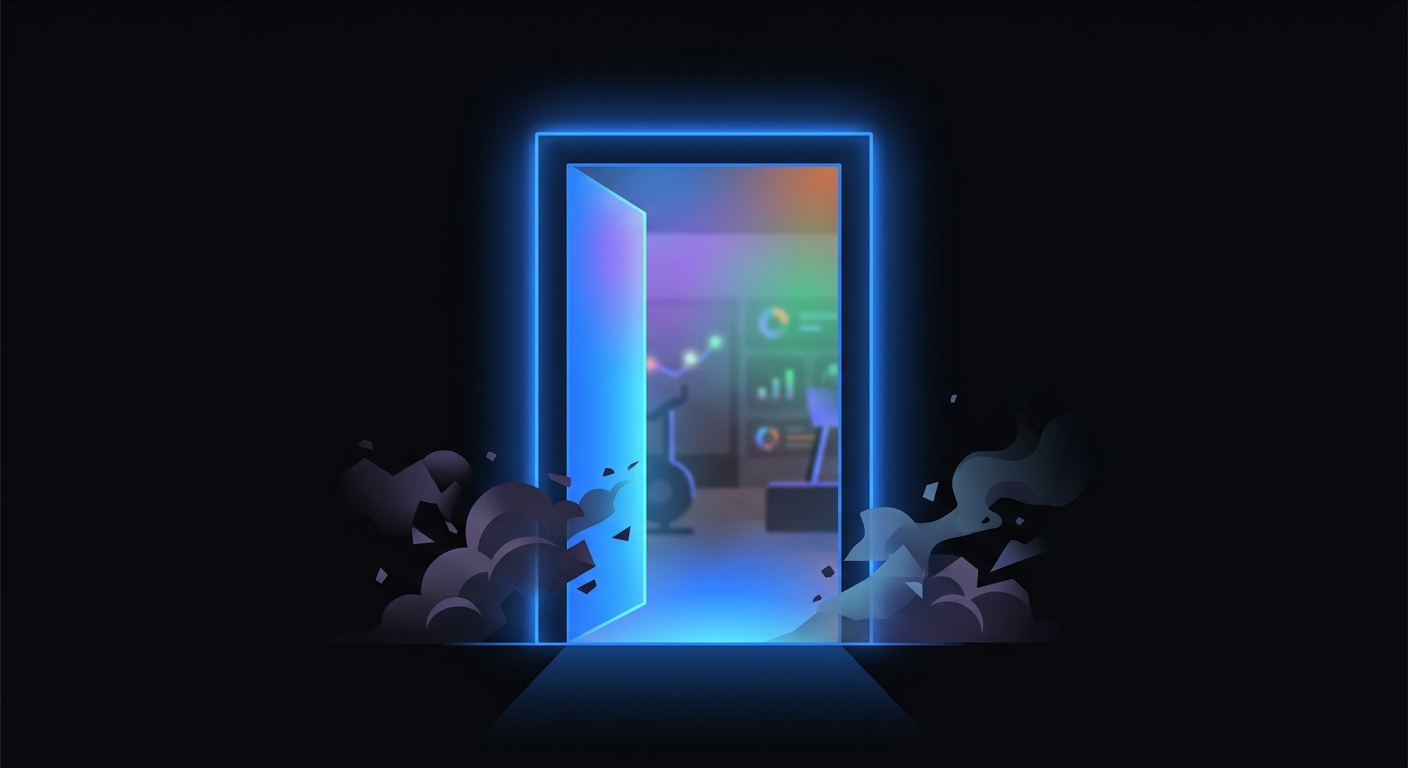
You know the gym is good for you. You want to start lifting. But the thought of walking through those doors makes your stomach churn.
This isn't weakness. Gym anxiety is extremely common — research suggests that social physique anxiety and fear of evaluation are significant barriers to exercise, particularly for beginners.
The good news: it's conquerable. Not with vague advice like "just do it," but with practical strategies backed by psychology.
Why Gym Anxiety Exists
Understanding the source helps address it. Gym anxiety typically stems from:
Fear of judgment. Worrying that everyone is watching you, evaluating your body or technique, silently mocking your weights.
Fear of not belonging. Feeling like you don't know the unwritten rules, don't have the right body, or aren't "fit enough" to be there.
Fear of looking incompetent. Not knowing how to use equipment, doing exercises wrong, or asking "dumb" questions.
Social comparison. Seeing people who are stronger, leaner, or more experienced and feeling inadequate.
Here's the reality check you need: everyone in that gym started somewhere. Most of them are focused on their own workouts, not judging yours. Research on self-focused attention shows we dramatically overestimate how much others notice us — this is called the spotlight effect.
Practical Strategies That Work
1. Go at Off-Peak Hours (Initially)
Most gyms are quietest early morning (5-7 AM), mid-afternoon (2-4 PM), and late evening (after 9 PM). Weekend mornings are often dead.
Starting during quiet times gives you space to learn equipment without waiting or feeling watched. You can graduate to busier times once you're comfortable.
Call your gym or check their app — many show real-time occupancy data.
2. Have a Written Plan
Nothing amplifies anxiety like wandering the gym floor wondering what to do next. Walking in with a clear plan makes you look — and feel — like you belong.
Write down your exercises, sets, and reps before you go. Know what equipment you need. Visualize the workout in advance.
Apps like Iridium can help here — it uses AI to generate a personalized workout tailored to your experience level, so you can walk in with a clear plan already on your phone.
Progressive overload for beginners doesn't require complex programming. Simple works. Three exercises, three sets each, done.
3. Learn the Equipment First
Unfamiliarity breeds anxiety. Most gyms offer free orientations where staff walk you through the equipment. Take it.
YouTube is also your friend. Watch videos on basic movements before trying them. Search "[exercise name] proper form" and watch multiple angles.
4. Start with Machines
Free weights have a learning curve. Machines guide your movement and reduce the "am I doing this right?" anxiety.
There's nothing wrong with a machine-only phase while you build confidence. Research shows machines are effective for hypertrophy — you're not wasting time.
Graduate to free weights when you're ready, not when you think you should.
5. Wear Headphones
Headphones create a psychological bubble. They signal "I'm focused" to others and reduce the sense of being in a social environment.
Create a playlist that gets you in the zone. Music improves exercise performance and can shift your focus from anxiety to the workout itself.
6. Bring a Friend (If Possible)
Training with someone dissolves the "alone and exposed" feeling. You have someone to talk to between sets, share equipment with, and laugh off any awkwardness.
If no friends are available, consider hiring a trainer for a few sessions — just to get comfortable with the space and the movements.
7. Focus on Small Wins
Your first goal isn't to transform your physique. It's to show up and complete a workout.
Did you walk in? Win. Did you use one piece of equipment? Win. Did you complete your planned workout? Big win.
Stack small wins until the anxiety dissolves.
8. Remember: No One Cares
This sounds harsh but it's liberating. People in the gym are focused on themselves. That guy you think is watching you? He's staring into space between sets, thinking about his day, or looking at the clock.
Studies confirm this: people are far less attentive to others than we assume. You are not the center of anyone's attention.
9. Reframe the Fear
Instead of "everyone will judge me," try:
- "I'm doing something most people won't"
- "Beginners are respected, not mocked"
- "Awkwardness is temporary; strength is permanent"
Cognitive reframing works. What you tell yourself matters.
10. Commit to Consistency
Here's a secret: gym anxiety diminishes rapidly with exposure. The first visit is hardest. The second is easier. By the fifth, it's routine.
Research on exercise adherence shows that self-monitoring is one of the most effective techniques for exercise adherence. Focus on showing up rather than on performance.
What Experienced Lifters Actually Think
Curious what that jacked person thinks when they see a beginner? Usually one of these:
- "Good for them for starting"
- "I remember being that nervous"
- "They won't be a beginner for long"
- Nothing at all — they're focused on their workout
The meathead stereotype of mocking beginners is mostly fiction. The gym community is generally supportive. People who've been training for years know how hard starting is.
Handling Specific Scenarios
Don't know how to use a machine? Look for instruction diagrams on the machine. Or politely ask someone nearby — "Hey, have you used this before?" Most people are happy to help.
Someone's using the equipment you need? Ask "How many sets do you have left?" This is standard gym etiquette. Or ask to "work in" — you do a set while they rest, they do a set while you rest.
Feel like you're taking too long? You're allowed to rest between sets. Taking your time between sets is part of training, not laziness.
Made a mistake or something awkward happened? Laugh it off. Everyone has dropped weights, tripped, or done something embarrassing. It's momentary.
When Anxiety Is Deeper
For most people, the strategies above work. But if gym anxiety is part of broader social anxiety, consider:
- Working with a therapist who specializes in anxiety
- Starting with home workouts to build initial confidence
- Trying smaller, less intimidating gym environments
- Group fitness classes where everyone follows the instructor
There's no shame in starting where you're comfortable and expanding from there.
Use Technology to Your Advantage
Having a workout plan on your phone eliminates the "what do I do next?" uncertainty. You walk in with clear direction, log your sets, and move with purpose.
Iridium generates personalized workouts based on your available equipment and experience level. You can walk into the gym with your entire workout mapped out — exercises, sets, reps, and rest times — displayed on your phone or Apple Watch.
No guessing. No wandering. Just follow the plan.
Download Iridium and take the uncertainty out of your next gym session.
Key Takeaways:
- Gym anxiety is common and conquerable
- Start during off-peak hours with a written plan
- Machines are a valid starting point
- No one is watching you as closely as you think
- Consistency dissolves anxiety — the first visit is the hardest image: "/blog/gym-anxiety-guide-hero.png"
Related Posts
How to Stay Consistent at the Gym
Gym consistency matters more than any program. Learn evidence-based strategies to build lasting workout habits and stop falling off track.
Skinny Guy's Guide to Building Muscle
Evidence-based strategies for hardgainers to finally build muscle. Calorie surplus targets, training programming, common mistakes, and realistic gain timelines.
Periodization for Beginners: What You Actually Need
What is periodization, how linear, DUP, and block periodization compare, why beginners don't need complex schemes, and when to start using periodization.