Kettlebell Swing American
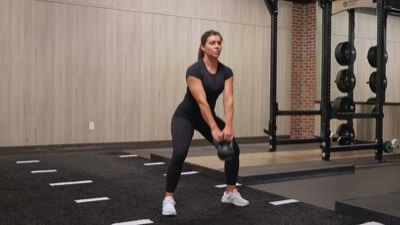
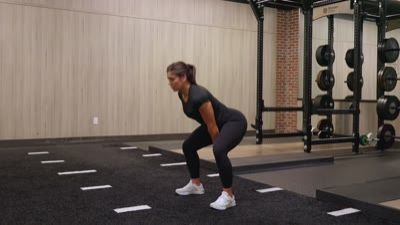
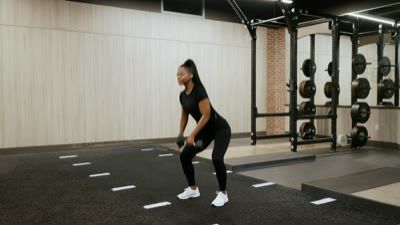
The American Kettlebell Swing is a dynamic, full-body exercise that extends the traditional hip hinge movement by bringing the weight fully overhead. It targets the posterior chain—specifically the glutes and hamstrings—while significantly engaging the shoulders and core for stability.

Iridium logs this exercise as a compound stressor that counts toward both posterior chain and anterior deltoid volume limits due to the specific overhead finish. If your 7-day history shows significant accumulated fatigue in the shoulder girdle, the AI may substitute a standard Russian swing to maintain the hinge stimulus without the additional overhead cost.
Form Cues
- Hike the kettlebell back high between your legs
- Snap your hips forward explosively to generate power
- Keep your arms straight but relaxed as the bell rises
- Finish with the bell directly over your shoulders
- Engage your core to prevent ribcage flaring at the top
- Don't squat the weight down; keep it a hinge movement
- Don't use your shoulders to lift the weight; use your hips
- Don't hyperextend your lower back at the top
- Don't let the kettlebell droop forward overhead
- Don't bend your elbows significantly during the swing
Common Mistakes
- Turning the hinge into a squat
- Muscling the bell up with the arms
- Overextending the lumbar spine
- Disconnecting the bell from the body on the hike
- Lacking shoulder mobility for the overhead position
Muscles Worked
This exercise is a powerhouse for the posterior chain, primarily driving development in the glutes and hamstrings through explosive hip extension. Unlike the standard swing, the overhead lockout places increased demand on the anterior deltoids, traps, and core stabilizers to control the weight at the apex of the movement.
Primary
Secondary

Get Personalized Coaching for Kettlebell Swing American
Don't guess your way through weights or workouts. Download Iridium for automatic, AI-powered coaching that adapts to your recovery and goals.