Plank Shoulder Taps
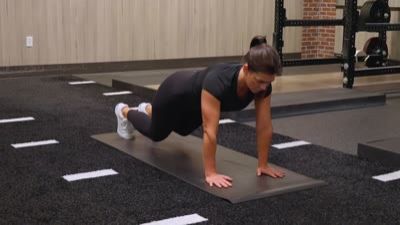
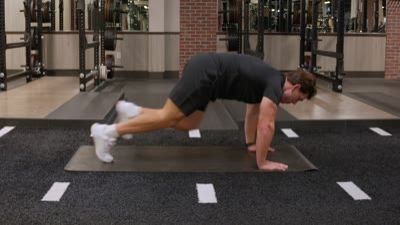
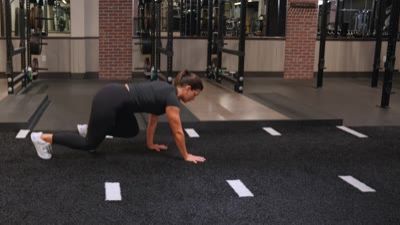
Plank Shoulder Taps are a dynamic core exercise that challenges stability and anti-rotation strength by requiring you to lift one hand at a time while holding a high plank. This movement targets the abdominals, obliques, and shoulders while improving overall balance and coordination.

Shoulder taps require increased anterior deltoid stability, so Iridium checks the specific fatigue levels of your front delts to ensure recent heavy pressing hasn't compromised your capacity for this movement. The algorithm tracks your performance relative to body weight to manage progressive overload. If your 7-day history shows high shoulder fatigue, Iridium may substitute a core exercise that doesn't require upper body support.
Form Cues
- Widen your feet slightly beyond hip-width for better stability
- Squeeze your glutes and quads to lock your hips in place
- Exhale sharply as you tap your opposite shoulder
- Press the floor away actively with your supporting arm
- Keep your gaze slightly forward to maintain a neutral neck
- Don't let your hips rock side-to-side as you move
- Don't allow your lower back to sag or arch
- Don't rush the taps; control is more important than speed
- Don't shrug your shoulders up toward your ears
Common Mistakes
- Rocking the hips excessively
- Placing feet too close together
- Sagging through the lower back
- Rushing through the repetitions
- Looking down at the toes
Muscles Worked
This exercise primarily targets the entire core musculature, specifically engaging the transverse abdominis and obliques to resist torso rotation. It also significantly strengthens the anterior deltoids and serratus anterior as they work to stabilize the upper body on a single arm.
Primary
Secondary

Get Personalized Coaching for Plank Shoulder Taps
Don't guess your way through weights or workouts. Download Iridium for automatic, AI-powered coaching that adapts to your recovery and goals.