Alternating Lunge Jumps
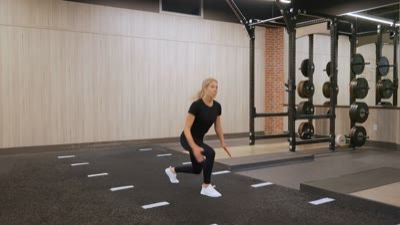
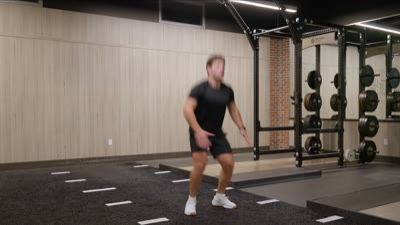
Alternating Lunge Jumps are an explosive plyometric exercise that builds lower body power, coordination, and cardiovascular endurance. This bodyweight movement targets the quadriceps, glutes, and calves by combining a classic lunge pattern with a powerful vertical jump and mid-air leg switch.

Iridium analyzes your sleep data and per-muscle recovery status to ensure your lower body is fresh enough for high-impact plyometrics. It tracks your performance relative to body weight to measure progressive overload, using your RPE scores to regulate volume if intensity begins to drop due to fatigue.
Form Cues
- Land softly with your knees bent
- Keep your chest up and torso vertical
- Explode vertically using both legs
- Maintain knee alignment over your toes
- Don't let your knees cave inward
- Don't slam your back knee into the floor
- Don't land with straight or stiff legs
- Don't hunch your shoulders forward
Common Mistakes
- Landing with stiff legs
- Knees caving inward upon landing
- Banging the back knee on the floor
- Leaning the torso too far forward
- Short-changing jump height due to fatigue
Muscles Worked
This exercise primarily targets the quadriceps and glutes to generate the explosive force needed to propel your body upward. The calves and hamstrings play a crucial role in stabilizing the knee joint and absorbing impact forces during the landing phase.
Primary
Secondary


Get Personalized Coaching for Alternating Lunge Jumps
Don't guess your way through weights or workouts. Download Iridium for automatic, AI-powered coaching that adapts to your recovery and goals.