Squat Side Kick
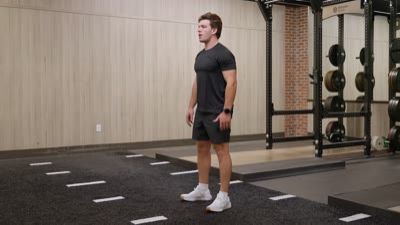
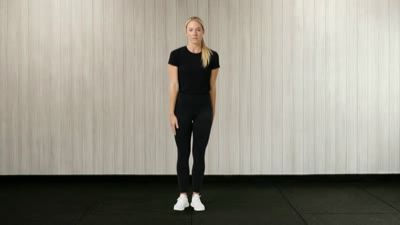
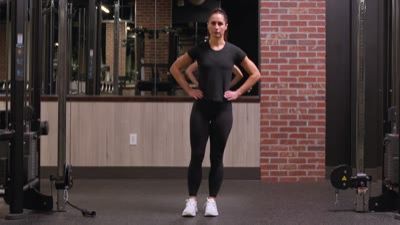
The Squat Side Kick is a dynamic bodyweight exercise that combines a traditional squat with a lateral leg abduction to target the legs, glutes, and core. This compound movement acts as both a strength builder and a cardio booster, improving hip mobility and balance simultaneously.

Iridium programs this dynamic movement to fill volume landmarks for the quads and glutes while minimizing systemic fatigue compared to weighted squats. For bodyweight exercises, the system tracks performance relative to your body weight and uses set-level RPE to ensure you are reaching an effective intensity before increasing rep targets.
Form Cues
- Sit your hips back and down to start the movement
- Keep your chest lifted and core braced tight
- Drive through your heels to return to standing
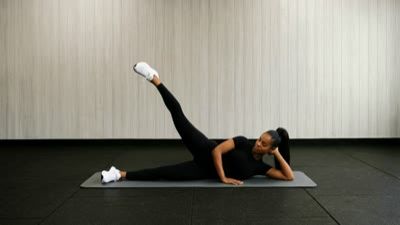
- Kick your leg out to the side leading with your heel
- Control your foot as you place it back on the floor
- Don't let your knees cave inward as you squat
- Don't round your lower back forward
- Don't use momentum to swing your leg wildly
- Don't lift your heels off the ground
- Don't lean excessively away from the kicking leg
Common Mistakes
- Knees collapsing inward (valgus)
- Rounding the spine forward
- Kicking with toes pointed upward
- Insufficient squat depth
- Rushing the transition between squat and kick
Muscles Worked
This exercise primarily strengthens the quadriceps and gluteus maximus during the squat phase. The side kick component specifically targets the gluteus medius and minimus (outer hips) for stability and abduction, while the core works overtime to maintain balance during the single-leg transition.
Primary
Secondary
Get Personalized Coaching for Squat Side Kick
Don't guess your way through weights or workouts. Download Iridium for automatic, AI-powered coaching that adapts to your recovery and goals.