Standing Hip Abduction
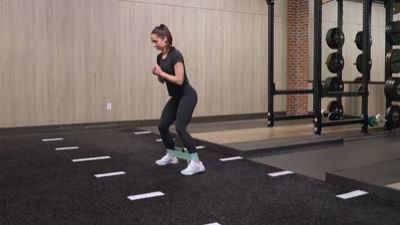
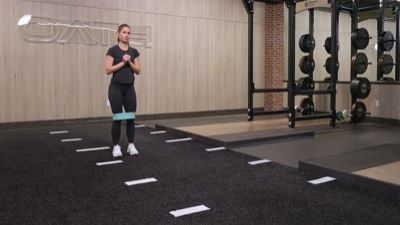
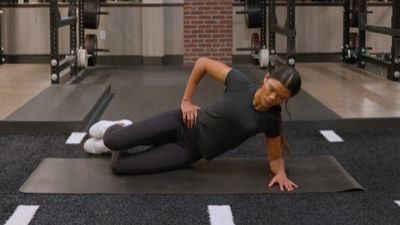
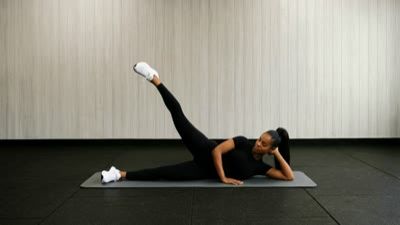
The Standing Hip Abduction is a unilateral lower-body exercise that isolates the outer glutes to improve hip stability, balance, and aesthetics. By lifting the leg laterally against gravity, it specifically targets the gluteus medius without requiring heavy equipment.

Iridium tracks this movement specifically for glute medius volume, separating its fatigue impact from the glute maximus load generated by squats and deadlifts. By analyzing your 7-day workout history, the AI places this exercise to maximize volume landmarks without impeding recovery for your heavy compound sessions. Progression is managed through RPE feedback and rep trends rather than 1RM estimations.
Form Cues
- Stand tall and brace your core comfortably
- Flex the foot of your lifting leg
- Lift your leg directly to the side using your hip muscles
- Squeeze your side glute at the top of the movement
- Lower the leg slowly to resist gravity
- Don't lean your torso to the opposite side
- Don't use momentum to swing the leg up
- Don't rotate your toes outward or upward
- Don't lift higher than your hip mobility allows
Common Mistakes
- Leaning the upper body sideways
- Pointing the toes toward the ceiling
- Rushing the lowering phase
- Arching the lower back
- Bouncing off the bottom of the rep
Muscles Worked
This exercise primarily targets the gluteus medius and gluteus minimus, which are crucial for pelvic stability and preventing knee valgus. It also engages the tensor fasciae latae (TFL) as a synergist and relies on the core and the standing leg's glutes for isometric stabilization.
Primary
Secondary
Get Personalized Coaching for Standing Hip Abduction
Don't guess your way through weights or workouts. Download Iridium for automatic, AI-powered coaching that adapts to your recovery and goals.