Foam Roll Lower Back
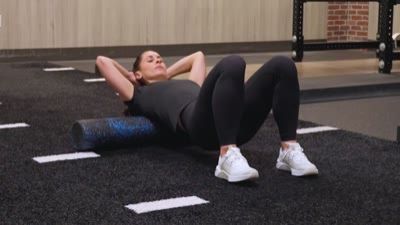
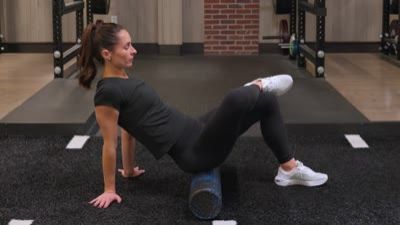
Foam rolling the lower back is a self-myofascial release technique designed to alleviate tension in the erector spinae muscles. This recovery exercise helps improve tissue quality and may reduce stiffness in the lumbar region caused by prolonged sitting or heavy lifting.

Iridium schedules this movement when your warmup preferences call for dedicated mobility work or when your 7-day history shows significant accumulated volume on the erector spinae. Because this is a time-based drill, the system scales the duration to fit your overall time constraints without cutting into your primary lifting volume.
Form Cues
- Lean slightly to one side to target the muscle, not the spine
- Support your body weight with your feet and forearms
- Breathe deeply and consistently to encourage muscle relaxation
- Move slowly over tender areas rather than rushing
- Brace your abs lightly to prevent excessive arching
- Don't roll directly on the spinal vertebrae
- Don't hyperextend or arch your lower back aggressively
- Don't roll too high onto the floating ribs or kidneys
- Don't hold your breath while applying pressure
- Don't continue if you feel sharp or shooting pain
Common Mistakes
- Rolling directly on the spine bones
- Arching the back excessively
- Rolling too fast
- Tensing muscles instead of relaxing
- Applying too much pressure immediately
Muscles Worked
This recovery technique primarily targets the erector spinae, the thick bands of muscle running parallel to your spine. By applying controlled pressure, you aim to release myofascial trigger points and improve blood flow to the lumbar region, aiding in recovery and temporary mobility improvements.
Primary
Get Personalized Coaching for Foam Roll Lower Back
Don't guess your way through weights or workouts. Download Iridium for automatic, AI-powered coaching that adapts to your recovery and goals.