Jefferson Curl
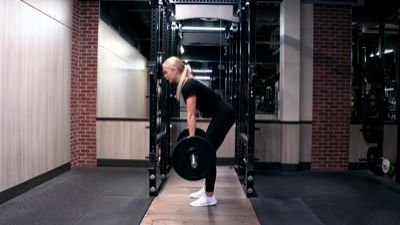
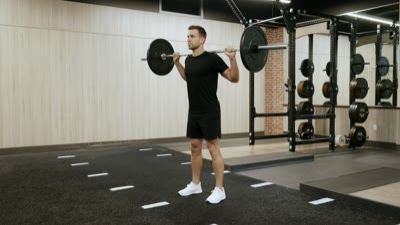
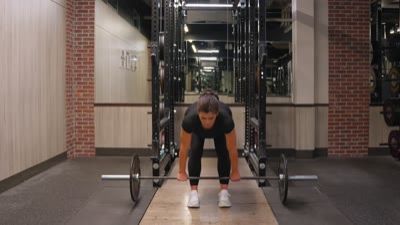
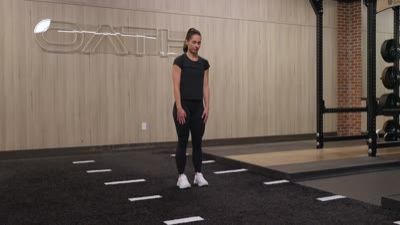
The Jefferson Curl is a weighted mobility exercise that strengthens and lengthens the entire posterior chain by slowly curling the spine through its full range of motion. It targets the hamstrings and spinal erectors, building resilience in the back while improving flexibility.

Iridium categorizes this as a mobility-focused hinge movement, adjusting RPE targets to prioritize range of motion over aggressive weight progression. The AI monitors fatigue specifically in the erector spinae to ensure this accessory work does not negatively impact recovery for primary lifts like squats or deadlifts. If your 7-day training history indicates high lower back load, Iridium will reduce volume here to manage overall system fatigue.
Form Cues
- Start with your chin tucked to your chest
- Roll down slowly, one vertebra at a time
- Keep your legs straight and quads engaged
- Allow the weight to pull you into a deep stretch
- Reverse the motion by stacking the spine back up slowly
- Don't hinge quickly at the hips like a deadlift
- Don't bend your knees to reach the floor
- Don't look up or extend your neck during the descent
- Don't use momentum to bounce out of the bottom position
- Don't start with heavy weights before mastering the motion
Common Mistakes
- Hinging instead of curling the spine
- Bending knees to compensate for tightness
- Rushing the tempo
- Lifting the head up
- Loading too heavy too soon
Muscles Worked
This exercise primarily targets the erector spinae along the entire length of the back and the hamstrings. By taking the spine through loaded flexion and extension, it strengthens the connective tissues and muscles of the posterior chain at their end range of motion.
Primary
Get Personalized Coaching for Jefferson Curl
Don't guess your way through weights or workouts. Download Iridium for automatic, AI-powered coaching that adapts to your recovery and goals.