Lacrosse Ball - Pecs
This self-myofascial release (SMR) technique uses a lacrosse ball to target trigger points and tightness in the pectoral muscles. It is an effective mobility exercise for relieving chest tension, improving posture, and restoring shoulder range of motion.

Iridium tracks your accumulated volume for the upper and lower chest to identify when high fatigue scores necessitate soft tissue work. When your warmup preferences include mobility, the algorithm programs this drill to prepare the pectorals for upcoming pressing movements based on your recent 7-day workload.
Form Cues
- Locate a tender point within the muscle belly, avoiding the bone
- Apply steady, controlled pressure and breathe deeply to encourage relaxation
- Move your arm slowly overhead or out to the side to stretch the tissue under the ball
- Spend at least 30-60 seconds on each tight area before moving
- Lean your bodyweight into the ball gradually if performing against a wall
- Don't roll directly over the shoulder joint or collarbone
- Don't apply sharp, excruciating pain; aim for 'hurts so good' discomfort
- Don't hold your breath or tense your chest muscles against the ball
- Don't rush through the movement; sustained pressure is key
Common Mistakes
- Rolling too quickly without pausing
- Placing the ball on the clavicle or shoulder joint
- Tensing the muscle instead of relaxing
- Applying excessive pressure that causes bruising
Muscles Worked
This technique primarily targets the pectoralis major and minor, helping to release adhesions and tightness caused by pressing movements or poor posture. By addressing the anterior deltoid as a secondary focus, it helps open up the chest cavity and allows the shoulders to sit back in a healthier, more neutral position.
Primary
Secondary


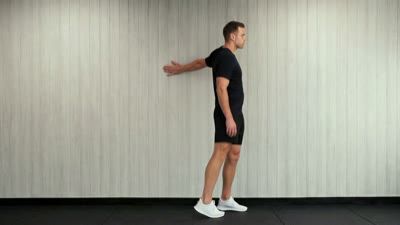
Get Personalized Coaching for Lacrosse Ball - Pecs
Don't guess your way through weights or workouts. Download Iridium for automatic, AI-powered coaching that adapts to your recovery and goals.