Lacrosse Ball - Shoulders
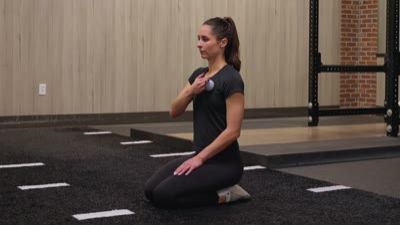
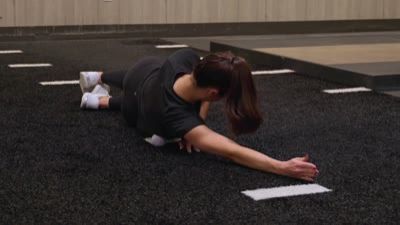
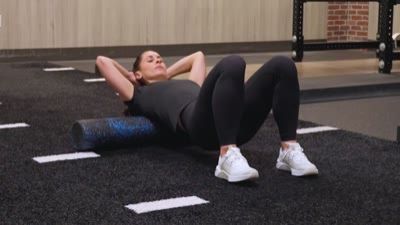
The Lacrosse Ball Shoulder release is a self-myofascial release technique designed to pinpoint and alleviate tension in the posterior deltoid and rotator cuff. By applying targeted pressure to these small muscle groups, this exercise improves shoulder mechanics and range of motion.

Iridium programs this drill when your 7-day workout history shows high accumulated volume in the rhomboids and rear delts that warrants targeted recovery work. Since this is a time-based mobility exercise, the AI tracks duration rather than load and ensures the activity does not count toward your Maximum Recoverable Volume limits. This allows you to address local muscle fatigue without dipping into your systemic recovery reserves.
Form Cues
- Place the ball directly on the muscle belly of the rear shoulder, avoiding the bone
- Lean your body weight into the wall or floor to control the pressure intensity
- Move your arm slowly across your body or overhead to pin and stretch the tissue
- Breathe deeply and consistently to encourage the nervous system to relax the muscle
- Hold pressure on tender spots for at least 30 seconds until the tension releases
- Don't roll directly over the spine, shoulder blade edges, or shoulder joint
- Don't tense up or hold your breath when you find a trigger point
- Don't move the ball quickly back and forth like you are sawing wood
- Don't apply so much pressure that you feel numbness or sharp, shooting pain
Common Mistakes
- Rolling over the scapula bone
- Moving too fast
- Tensing the target muscle
- Holding breath due to pain
- Insufficient time under tension
Muscles Worked
This technique primarily targets the posterior deltoid and the intricate muscles of the rotator cuff, which often become tight from poor posture or heavy pressing. It also addresses tension in the rhomboids and lateral deltoids, helping to restore proper scapular mechanics and reduce the risk of shoulder impingement.
Primary
Secondary

Get Personalized Coaching for Lacrosse Ball - Shoulders
Don't guess your way through weights or workouts. Download Iridium for automatic, AI-powered coaching that adapts to your recovery and goals.