Scapular Wall Slides
Scapular Wall Slides are a corrective mobility exercise designed to improve shoulder mechanics and posture by strengthening the lower trapezius and rhomboids. This movement teaches you to dissociate arm movement from spinal extension, helping to fix rounded shoulders and poor overhead mobility.
Iridium identifies this as a non-fatiguing mobility drill, so it does not count against your Minimum Effective Volume or Maximum Recoverable Volume limits for the back. Instead, the AI schedules this movement based on your warmup settings to prime the lower trapezius and rhomboids specifically before overhead or bench pressing.
Form Cues
- Stand with your feet about 6 inches away from the wall
- Press your lower back firmly against the wall and keep it there
- Keep your elbows and wrists in contact with the wall at all times
- Slide your arms up into a Y shape while exhaling
- Squeeze your shoulder blades down and together as you lower your arms
- Don't allow your lower back to arch away from the wall
- Don't let your ribcage flare open as you reach overhead
- Don't shrug your shoulders up toward your ears
- Don't force your arms higher if your back peels off the wall
Common Mistakes
- Arching the lumbar spine
- Allowing wrists to lift off the wall
- Shrugging the upper traps
- Holding the breath
- Rushing through the movement
Muscles Worked
This exercise primarily targets the lower trapezius and rhomboids, muscles essential for scapular depression and retraction. It also actively stretches tight internal rotators like the pectorals and anterior deltoids, helping to realign the shoulder girdle.
Primary
Secondary
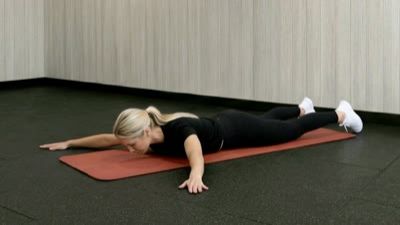
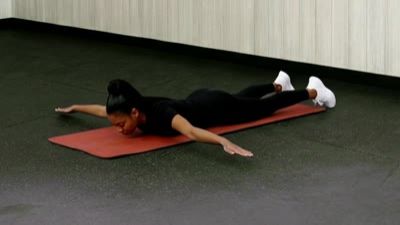

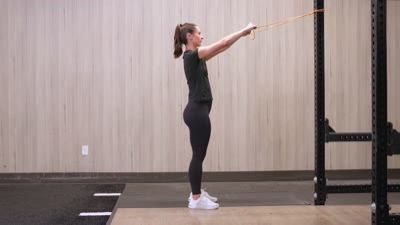
Get Personalized Coaching for Scapular Wall Slides
Don't guess your way through weights or workouts. Download Iridium for automatic, AI-powered coaching that adapts to your recovery and goals.