Behind-the-Back Cuffed Lateral Raise
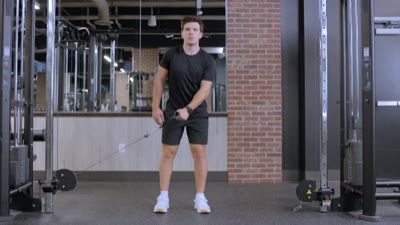
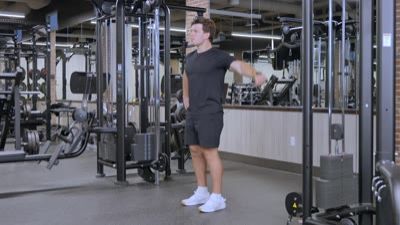
The Behind-the-Back Cuffed Lateral Raise is a targeted cable exercise that isolates the side deltoids by placing the line of pull behind the body. Using a wrist cuff eliminates the need for grip strength, ensuring constant tension is applied directly to the shoulder muscle throughout the entire range of motion.
Iridium programs this movement to maximize lateral deltoid volume while bypassing grip limitations, making it a priority when your 7-day history indicates high forearm fatigue. Because cables provide constant tension, the algorithm monitors your RPE feedback closely to gauge intensity and ensure you are accumulating effective volume. Iridium tracks your load and performance independently of dumbbell variations to maintain accurate progressive overload detection specific to the cable resistance curve.
Form Cues
- Stand tall and brace your core
- Lead the movement with your elbow
- Keep the cable crossing behind your glutes
- Pause briefly at shoulder height
- Don't shrug your traps upward
- Don't swing your torso for momentum
- Don't raise your hand higher than your elbow
- Don't lean forward excessively
Common Mistakes
- Using momentum to swing the weight
- Engaging the upper traps by shrugging
- Leading with the hand instead of the elbow
- Allowing the cable to hit the body
Muscles Worked
This exercise is a precision movement for the Lateral Deltoid, the muscle responsible for shoulder width. By positioning the cable behind the back, you alter the angle of pull to maintain continuous tension on the side delt, even at the bottom of the movement where dumbbells typically lose resistance.
Primary
Secondary


Get Personalized Coaching for Behind-the-Back Cuffed Lateral Raise
Don't guess your way through weights or workouts. Download Iridium for automatic, AI-powered coaching that adapts to your recovery and goals.