Cable Shoulder External Rotation
A cable-based isolation exercise designed to strengthen the rotator cuff muscles, specifically the infraspinatus and teres minor, to improve shoulder stability. This movement is essential for shoulder health and injury prevention, particularly for those who perform heavy pressing exercises.

Iridium programs this isolation movement with higher repetition targets to prioritize local muscular endurance over maximum loading. By monitoring sub-muscle-group fatigue and your 7-day workout history, Iridium ensures your external rotators are trained effectively without pre-fatiguing them before heavy compound pressing.
Form Cues
- Pin your working elbow firmly against your ribcage
- Keep your wrist straight and neutral throughout the movement
- Squeeze your shoulder blade back and down before starting
- Rotate your hand away from your body until you feel a deep contraction in the back of the shoulder
- Control the weight slowly as you return to the starting position
- Don't let your elbow drift away from your side
- Don't use your torso to swing or momentum to move the weight
- Don't bend or curl your wrist to fake a larger range of motion
- Don't shrug your shoulder up toward your ear
- Don't rotate so far back that your lower back arches
Common Mistakes
- Elbow flaring out from the body
- Using excessive weight
- Compensating with body english
- Flexing the wrist
- Shrugging the shoulders
Muscles Worked
This exercise primarily isolates the infraspinatus and teres minor, the external rotators of the rotator cuff which provide dynamic stability to the shoulder joint. The posterior deltoid and rhomboids act as secondary stabilizers to keep the scapula retracted, ensuring the rotation occurs purely at the gleno-humeral joint.
Primary
Secondary
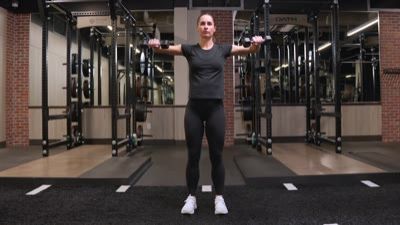



Get Personalized Coaching for Cable Shoulder External Rotation
Don't guess your way through weights or workouts. Download Iridium for automatic, AI-powered coaching that adapts to your recovery and goals.