PVC Windmill
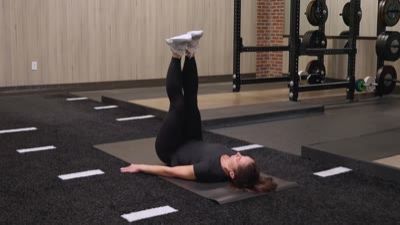
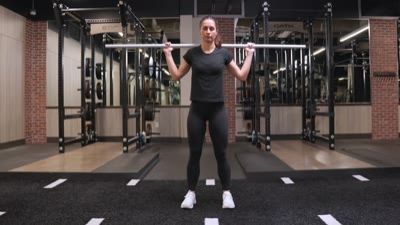
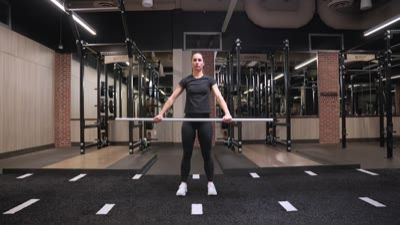
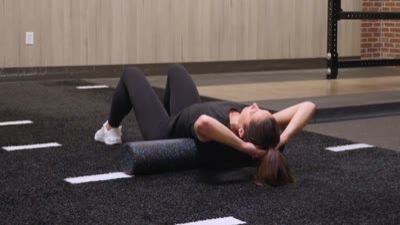
The PVC Windmill is a functional mobility exercise that combines a hip hinge with thoracic rotation to improve hamstring flexibility and shoulder stability. It targets the obliques and core while reinforcing proper mechanics for weighted windmill variations.

Iridium schedules this movement when your settings favor dynamic warmups, using it to prime the hinge pattern and shoulder stabilizers before heavy compound lifts. Since the resistance is negligible, Iridium excludes the exercise from your weekly volume calculations so your Minimum Effective Volume and fatigue scores remain accurate.
Form Cues
- Hinge your hips back toward the heel of your rear leg
- Keep your top arm locked out and reaching for the ceiling
- Fix your eyes on the PVC pipe throughout the entire movement
- Rotate your chest open toward the top hand
- Keep your back leg straight and front knee slightly soft
- Don't bend at the waist without pushing your hips back
- Don't take your eyes off the overhead PVC pipe
- Don't let your top elbow bend or shoulder collapse
- Don't round your lower back to reach lower
- Don't rush the movement or use momentum
Common Mistakes
- Side bending instead of hinging
- Losing visual contact with overhead hand
- Rounding the spine
- Bending the top elbow
- Uneven weight distribution
Muscles Worked
This exercise primarily targets the obliques and deep core stabilizers by requiring you to control torso rotation against a hinged hip. It simultaneously acts as an active dynamic stretch for the hamstrings and adductors while engaging the anterior deltoids and rotator cuff to maintain overhead stability.
Primary
Secondary
Get Personalized Coaching for PVC Windmill
Don't guess your way through weights or workouts. Download Iridium for automatic, AI-powered coaching that adapts to your recovery and goals.