Side Bend Stretch
The Side Bend Stretch is a fundamental mobility exercise that targets the obliques and lateral spinal muscles to improve flexibility and range of motion. It involves laterally flexing the spine to relieve tension in the torso and lower back.

Iridium analyzes your 7-day workout history to program this stretch when recent spinal loading leads to accumulated fatigue in the erector spinae and obliques. The system automatically adjusts hold times to match your specified time constraints, ensuring mobility work fits into your session without overrunning your schedule.
Form Cues
- Stand tall with feet hip-width apart and glutes engaged
- Reach your top arm up and over to create length
- Keep your hips square and stable throughout
- Breathe deeply into the side of the ribcage being stretched
- Don't twist your torso forward or backward
- Don't collapse into the side you are bending toward
- Don't bounce or jerk during the movement
- Don't hold your breath
Common Mistakes
- Twisting the torso forward
- Shifting hips excessively sideways
- Bouncing to increase range
- Collapsing the chest
- Holding breath
Muscles Worked
This exercise primarily isolates the internal and external obliques, which are crucial for torso rotation and lateral stability. It also engages the quadratus lumborum (QL) and erector spinae, helping to decompress the spine and alleviate tightness in the lower back.
Primary
Secondary
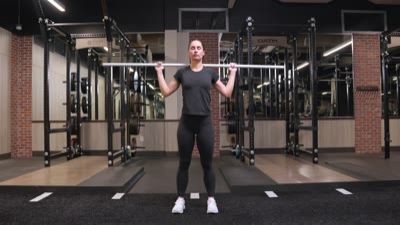
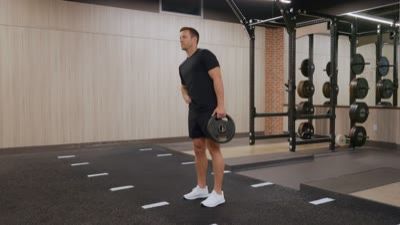
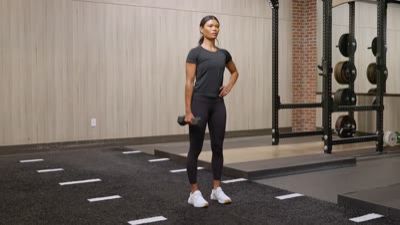
Get Personalized Coaching for Side Bend Stretch
Don't guess your way through weights or workouts. Download Iridium for automatic, AI-powered coaching that adapts to your recovery and goals.