Hanging Knee Raise
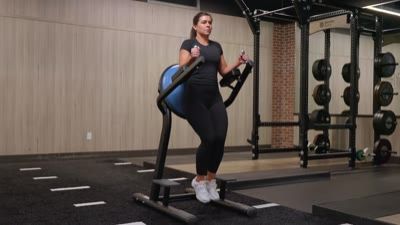
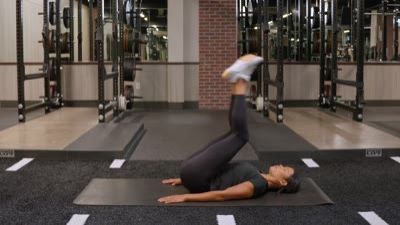
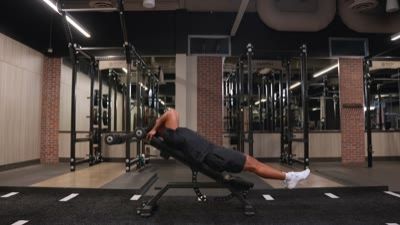
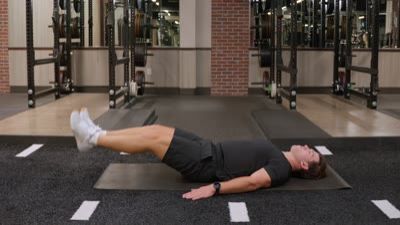
The Hanging Knee Raise is a dynamic core exercise performed from a pull-up bar that primarily targets the lower abdominal muscles and hip flexors. It develops core strength and stability while simultaneously improving grip endurance and shoulder health through spinal decompression.
Iridium evaluates your forearm recovery status from recent pulling workouts to ensure grip fatigue doesn't prevent you from effectively stimulating your core. The AI tracks volume specifically for the lower abdominal sub-group and adjusts set targets based on your body weight and RPE trends.
Form Cues
- Maintain an active hang by pulling your shoulders down and away from your ears
- Exhale forcefully as you lift your knees to maximize core engagement
- Tuck your pelvis and curl your tailbone forward at the top of the movement
- Lower your legs slowly to resist gravity and prevent swinging
- Don't use momentum or swing your body to generate lift
- Don't let your shoulders shrug up towards your ears
- Don't arch your lower back excessively at the bottom of the movement
- Don't drop your legs quickly without control
Common Mistakes
- Swinging the body
- Lifting only with hip flexors
- Passive, shrugged shoulders
- Incomplete range of motion
Muscles Worked
This exercise primarily targets the rectus abdominis, specifically the lower region, by requiring you to curl your pelvis upward against gravity. It also heavily recruits the iliopsoas (hip flexors) to initiate the leg lift, while the forearms and lats work isometrically to maintain a stable hanging position.
Primary
Secondary
Get Personalized Coaching for Hanging Knee Raise
Don't guess your way through weights or workouts. Download Iridium for automatic, AI-powered coaching that adapts to your recovery and goals.