Volleyball
Volleyball is a dynamic, high-impact sport that combines explosive jumping, lateral agility, and overhead striking movements. It serves as an intense cardiovascular workout that builds lower body power and shoulder stability while improving hand-eye coordination.
Volleyball places high explosive demand on the quadriceps and anterior deltoids which contributes to your systemic fatigue. Iridium uses the duration and RPE of your match to calculate the impact on your per-muscle recovery status. The AI then adjusts the volume of upcoming strength sessions to ensure you stay within your Maximum Recoverable Volume for these specific muscle groups.
Form Cues
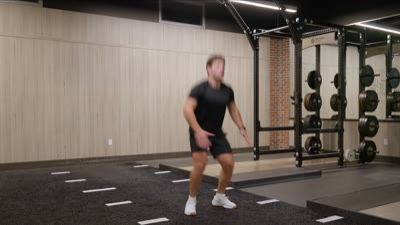
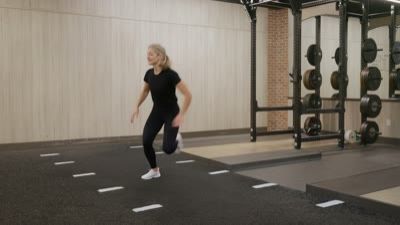
- Maintain a low athletic stance with knees bent and weight on the balls of your feet
- Drive explosively through the floor to initiate jumps
- Land softly with bent knees to absorb impact forces
- Rotate your torso to generate power during spikes and serves
- Keep your core braced to stabilize mid-air movements
- Don't land with locked knees or straight legs
- Don't hunch your shoulders or round your back in the ready position
- Don't rely solely on your arm for power; use your hips
- Don't cross your feet when moving laterally
- Don't hold your breath during explosive efforts
Common Mistakes
- Landing with stiff legs
- Standing too upright on defense
- Over-rotating the shoulder joint
- Poor footwork efficiency
- Lack of core engagement
Muscles Worked
This activity primarily targets the quadriceps, glutes, and calves through repeated explosive jumping and defensive squatting. The anterior deltoids and triceps are heavily engaged during overhead spiking and serving, while the core provides essential stability for mid-air adjustments and rotational power.
Primary
Secondary


Get Personalized Coaching for Volleyball
Don't guess your way through weights or workouts. Download Iridium for automatic, AI-powered coaching that adapts to your recovery and goals.